
Finding credible second-hand machinery suppliers online requires careful screening and verification, as it involves significant capital investment and subsequent production and operational risks. It’s wise to remain cautious when faced with an overwhelming amount of online information and potential risks—don’t worry! By following the steps below, you can significantly increase your chances of finding a reliable used machinery supplier:
1. Start Your Search on Reputable Platforms and Channels
Large Professional B2B Platforms:
– Alibaba/1688: Pros: Huge suppliers. Cons: Many listed prices aren’t the real price. Carefully review company profiles, years in business, certifications, transaction history, and buyer reviews. Pay special attention to negative/neutral feedback.

– Chinafairlyused: A long-standing Chinese B2B platform for industrial goods with many second-hand machinery suppliers. Screening methods are similar to Alibaba.

– Industry-Specific B2B Platforms: Look for vertical platforms in your field (e.g., construction machinery, printing presses, machine tools, food processing, plastics machinery). Suppliers here are often more specialized, and buyers can find targeted products (e.g., “China Machine Tool Web,” “Tiejia Engineering Machinery Net”).
Dedicated Second-Hand Machinery Platforms:
– Platforms specializing in used machinery (e.g., Equipment Trader, Machinery Trader, and some regional/industry-specific sites). Information is centralized but still requires careful vetting.
Manufacturer-Affiliated Channels:
– Official Refurbished/Certified Pre-Owned Programs: Many top manufacturers (e.g., Caterpillar, Komatsu, Mazak, Haitian) have certified refurbished divisions. Prices may be higher, but equipment is thoroughly inspected, refurbished, and comes with warranties—one of the most reliable sources.
– Authorized Dealers: Often deal in used machinery. They know equipment history and offer technical support/service.
Online Auction Platforms:
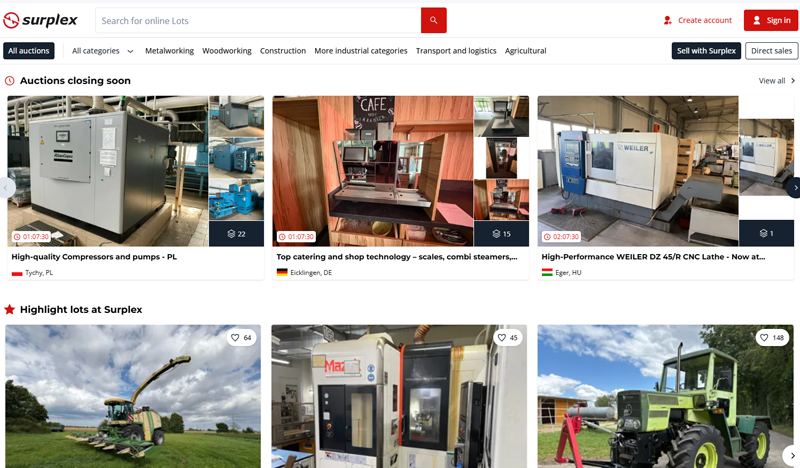
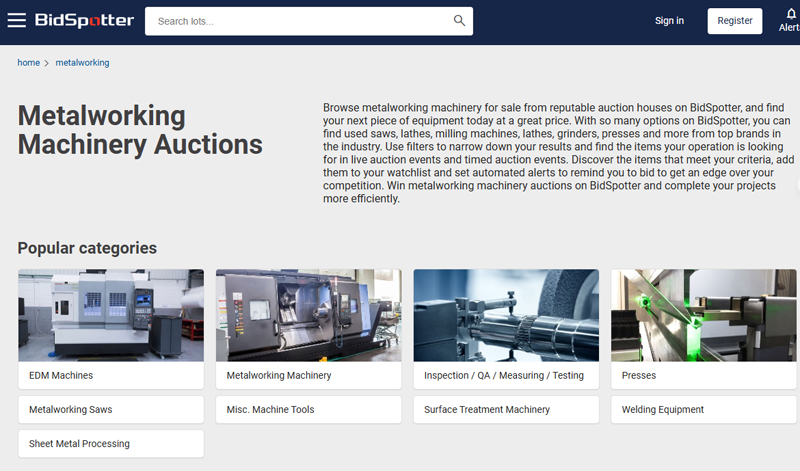
– Major international industrial auctioneers (Surplex, Bidspotter) and reputable domestic asset-disposal/judicial auction platforms. Auctions provide basic info and inspection opportunities; prices are transparent but sold “as-is, where-is” (usually no warranty). Requires strong inspection skills.
2. Rigorously Evaluate Supplier Credibility & Qualifications
Company Verification:
– Business License: Request a clear copy.
– Physical Address/Warehouse: Verify their operational/warehouse address. Strongly recommend an on-site visit—this is the most effective way to assess their scale, inventory, and management standards.
– Online Presence: Check if their website is professional and updated. Search “[Company Name] + scam/complaint/review” for red flags.
Industry Reputation:
– Platform Reviews: Scrutinize buyer feedback (especially neutral/negative reviews and how the supplier responds).
– Peer Referrals: Ask industry contacts about the supplier’s reputation.
– Transaction History: Request case studies or client references (verify if possible).
Communication Professionalism:
– Assess if sales/technical staff are knowledgeable about equipment specs, condition, and history. Note evasiveness about flaws—walk away if they seem unreliable.
3. Deep-Dive into Equipment Details
Comprehensive Information Request:
– Demand high-resolution, unedited photos/videos (key components, nameplate, operation). Videos should show startup, running, and core functions.
– Full specs: Brand, model, year, serial number, working hours, condition (appearance/mechanical/hydraulic/electrical), known issues, repair history, included accessories/tools/manuals.
Equipment History (If Possible):
– Use the serial number to query the OEM (or dealer) for maintenance records.
– Ask about origin (trade-in, bankruptcy, upgrade?) to gauge wear.
Technical Documentation:
– Request recent maintenance reports/inspection records.
– For complex/high-value items, require a basic inspection report or hire a third party.
4. The Critical Step: Inspection
Inspect Personally or Use Trusted Third Parties:
– This is the most crucial risk-reduction step! Never skip it—no matter how perfect the online description.
– Inspection checklist:
– Match physical equipment to photos/description.
– Verify nameplate details.
– Check for rust, structural damage, key component wear.
– Test startup, operation, functions, noise levels.
– Inspect hydraulic leaks and electrical systems.
– Perform load testing if possible.
– Bring a technical expert or experienced operator.
– Video Call Alternative: If an on-site visit isn’t feasible, request a live video tour showing details and operation.
5. Secure Transactions & Risk Mitigation
Safe Payment Methods:
– Avoid large direct transfers to individuals! Use corporate accounts.
– Platform Escrow Services: On B2B platforms (e.g., Alibaba’s Trade Assurance orders), funds are held until you confirm receipt.
Logistics & Delivery:
– Clarify responsibilities (supplier delivery? self-pickup?), shipping method, insurance (always buy transit insurance!), and cost allocation.
– Upon arrival, inspect for transport damage before signing; document with photos/video.
Key Takeaways
1. Prioritize channels: Start with trusted platforms, OEM programs, and reputable auctions.
2. Vet credentials: Check licenses, credit records, physical addresses, and reputation.
3. Demand transparency: Get photos/videos, specs, usage history, and maintenance records.
4. Inspect relentlessly: On-site or third-party inspection is non-negotiable.
5. Contract protection: Sign detailed agreements covering condition, liabilities, payment, and delivery.
6. Pay cautiously: Use corporate accounts, escrow services, or milestone-linked payments.
7. Insure shipments: Define logistics responsibilities, buy insurance, inspect upon delivery.
In the second-hand machinery market, trust is built step by step, not in a single deal. Once you complete your first successful transaction, the peace of mind will make all the upfront diligence worthwhile. If any step feels uncertain, take more time to find another supplier—never compromise. After all, machinery is a long-term production partner, deserving your patience to find the right one. Wishing you success in finding your ideal equipment!